Lecture: Libya’s Path to Independence Through Russian Sources
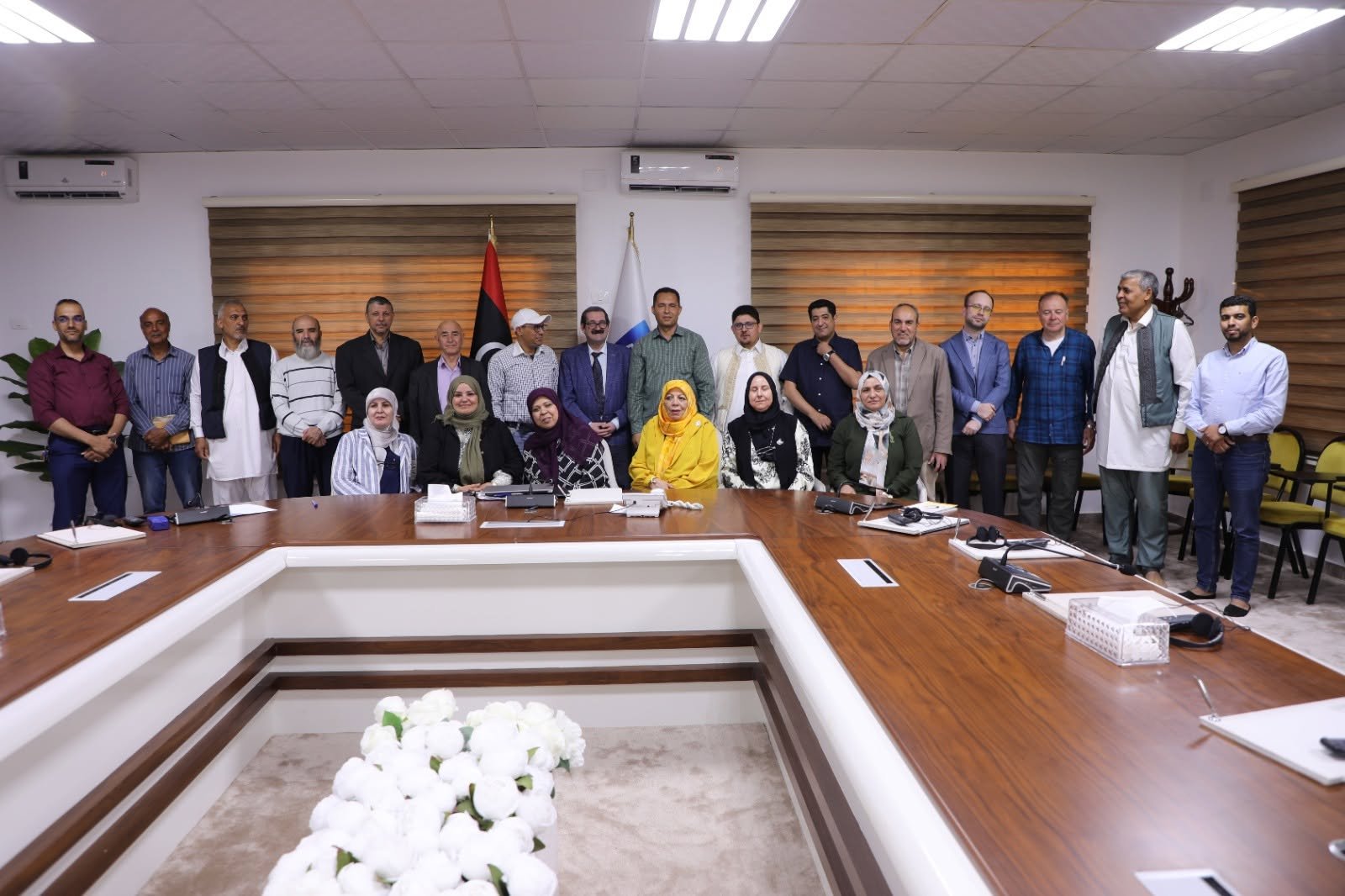
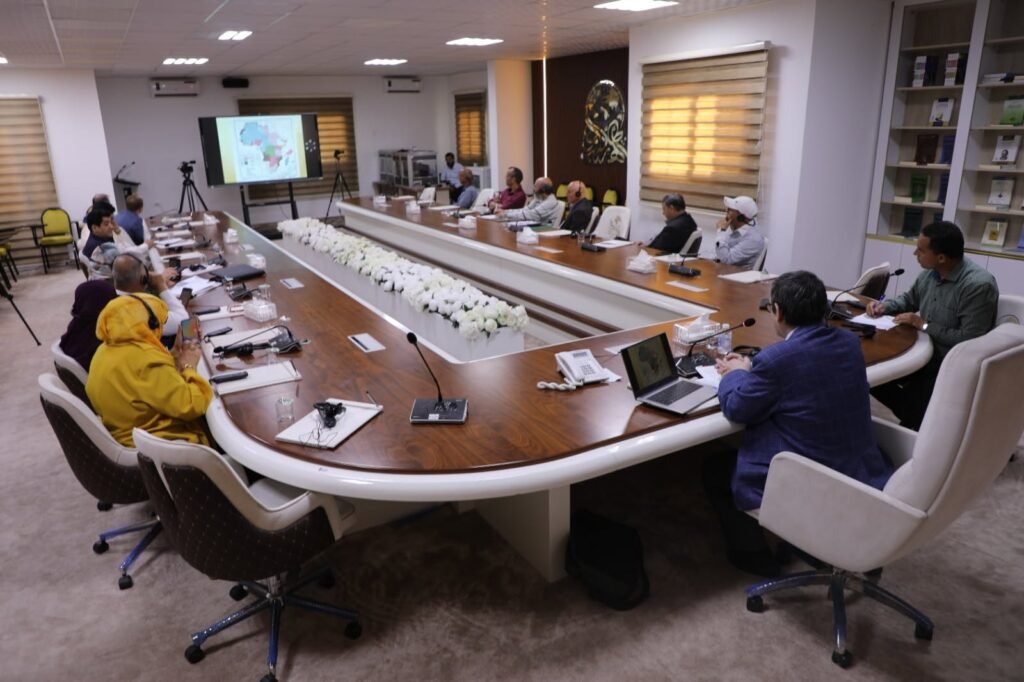
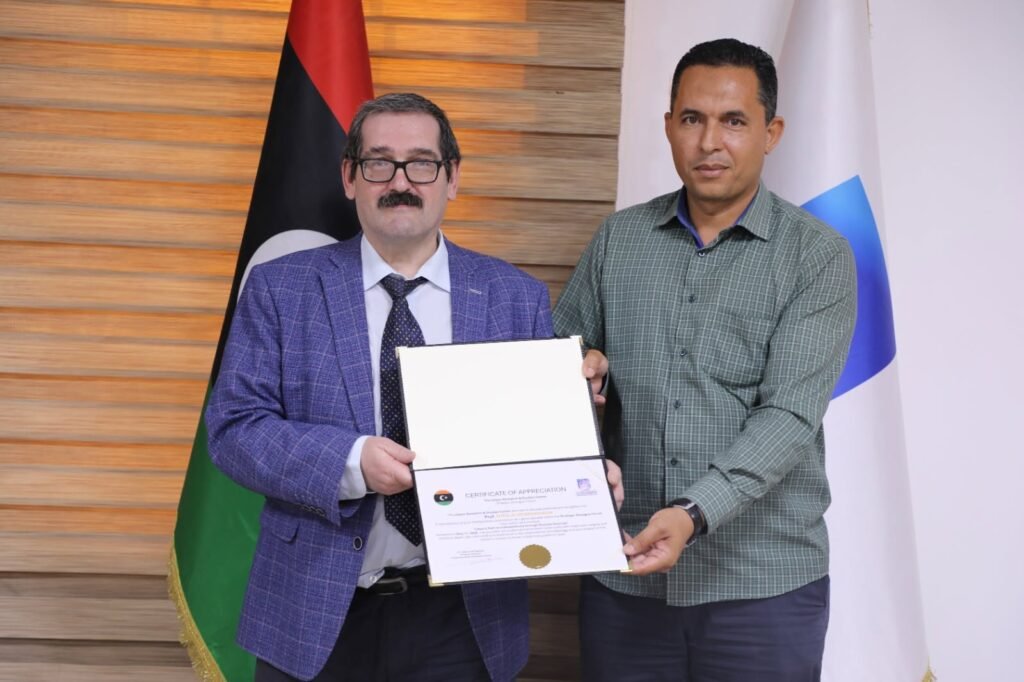
On Monday, May 11, 2026, the Libyan Center for Research and Studies organized a lecture as part of its Strategic Dialogue Forum, titled “Libya’s Path to Independence Through Russian Sources.” The lecture was delivered by Professor Nikolai Dobronravin, Professor of African Studies at St. Petersburg University, Russia, and Head of the Africa Department at the Peter the Great Museum in the same city. The lecture began at 5:45 PM. Professor Dobronravin thanked the Libyan Center for Research and Studies for their warm welcome and hospitality. He began his lecture by presenting documents and references indicating that, until the end of the 19th century, Russian researchers considered Libya to be part of the Ottoman Empire. Among the most important Russian sources that discussed Libya were the book by the Russian researcher Alexander Elsin in 1884, which described the city of Tripoli, and the publication of “The Russian Council in Algeria” by the writer George Tomashevsky in 1907.
As Professor Nikolai explained, during the Italian aggression against Libya in October 1911, Russian public opinion was either neutral or opposed to this unjustified aggression. Numerous Russian newspapers covered the events of the war and the battles fought in defense against the Italian invaders through news reports, investigations, and journalistic follow-ups.
The author presented a Russian document detailing the participation of the prominent activist Khalid al-Qarqani in the anti-colonial conference held in Moscow in June 1921.
He also cited another document documenting the visit of the prominent Ottoman officer Enver Pasha to the First Congress of the Peoples of the East in Baku in September 1920. Enver Pasha attended this conference representing the peoples of North Africa, including Libya.
Professor Dobronravin counted approximately 513 files and 336 reports from the communist organization in Tripoli that document the events of that period.
The lecturer presented numerous maps and documents from Russian archives chronicling the interactions surrounding the Libyan issue within the United Nations after World War II, and the prominent Soviet role in efforts to prevent the return of Italian colonialism to Libya.
At the end of the lecture, the floor was opened for discussion, comments, and questions from the audience. Valuable contributions were made by Professor Ahmed Al-Zubaidi, Dr. Ali Rahouma, Dr. Al-Makki Al-Mustajir, Dr. Naziha Al-Rajibi, Professor Hussein Al-Mazdawi, and Professor Khairiya Al-Lafi. The lecturer engaged with each of these contributions through direct responses and discussion.
It is worth noting that the lecturer delivered his presentation in English, with simultaneous interpretation provided. This enriching academic evening concluded at 7:15 PM, after which attendees posed for a group photograph, followed by a tea and coffee reception.